
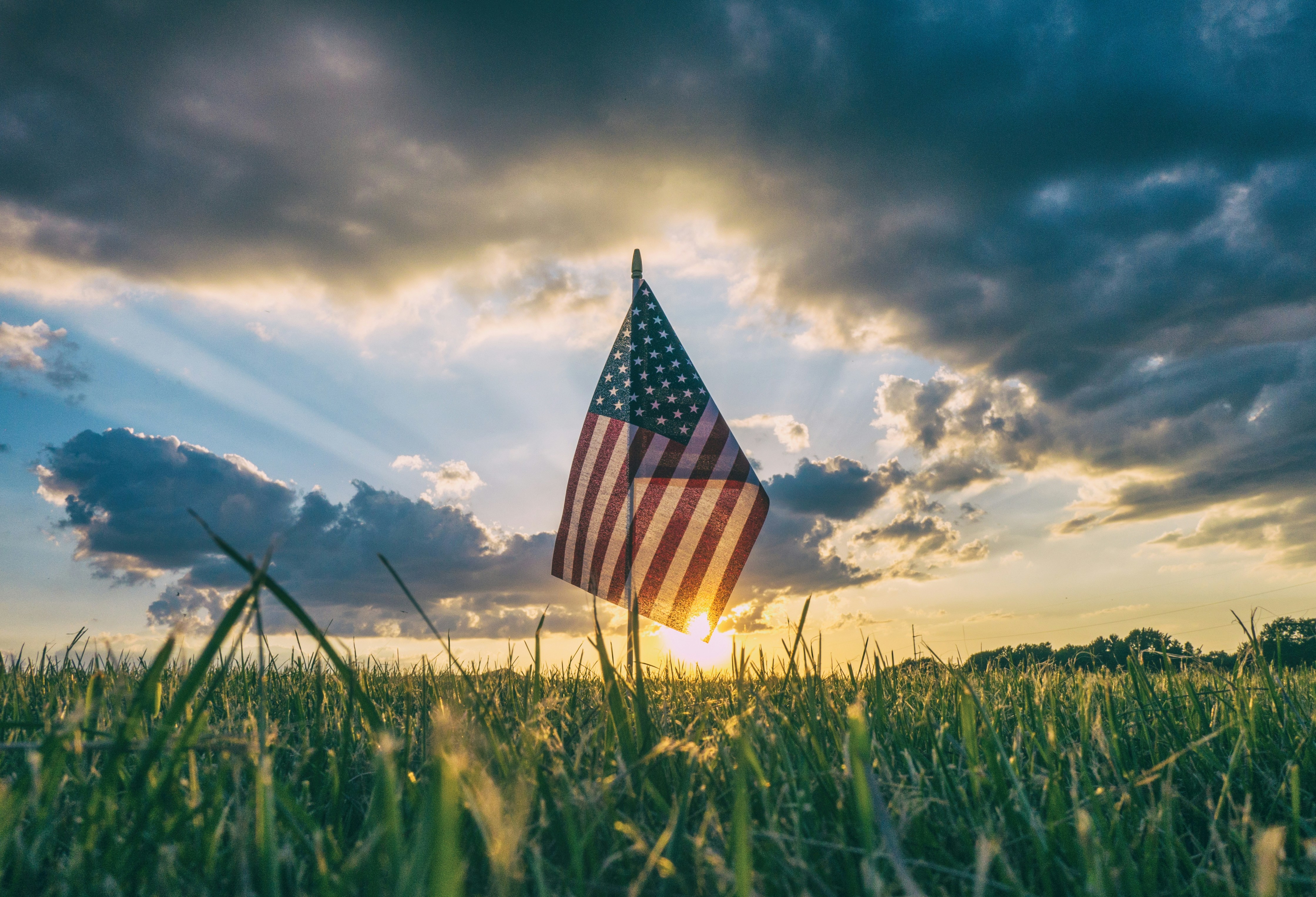
Every November 11, we pause to recognize the men and women who have served in the United States Armed Forces. We share photographs, offer words of gratitude, attend ceremonies, and remind ourselves that freedom comes with a price.
But as we celebrate Veterans Day, I think it’s important to take a closer look at the people whose stories haven’t always received the attention they deserve.
I’m talking about the Black men and women who served this country during some of its most defining moments. People who put on a uniform, left their families, traveled across the world, and risked their lives for a country that, in many instances, still treated them as second-class citizens.
Think about that for a moment.
Imagine being willing to sacrifice your life for a country that wasn’t always willing to protect your rights. Imagine fighting for democracy overseas while facing segregation, discrimination, and inequality at home.
And yet, they served.
Their stories deserve to be remembered, not just during Black History Month, but every time we celebrate the history of this country.
The Women of the Six Triple Eight

The 6888th Central Postal Directory Battalion holds a particularly important place in American military history.
Known affectionately as the Six Triple Eight, this all-Black Women’s Army Corps battalion consisted of 855 women who were sent to Europe during World War II. Their assignment was to tackle an enormous backlog of mail intended for American service members.
We’re talking about approximately 17 million pieces of mail.
These women worked around the clock, in eight-hour shifts, seven days a week. Their motto was simple: “No mail, low morale.”
And they delivered.
What might sound like an administrative assignment was actually an essential part of keeping soldiers connected to the people waiting for them back home. Letters from wives, mothers, children, and loved ones were more than pieces of paper. They were reminders that someone was waiting, someone cared, and someone was hoping they would make it home.
Among the women who served was Romay Davis, whose remarkable story was documented in photographer Michael A. McCoy’s AARP portrait series. Another member, Fannie Griffin McClendon, rose to the rank of major.
These women served in a segregated military, navigating discrimination while performing a mission that helped sustain the morale of troops overseas.
Their contributions were eventually recognized with the Congressional Gold Medal in 2022.
It’s a reminder that heroism doesn’t always happen on a battlefield. Sometimes it happens in the quiet, tireless work that keeps people connected.
The Montford Point Marines: Breaking barriers While Serving
Before Black men were fully welcomed into the United States Marine Corps, a group of determined men helped change the institution from within.
Between 1942 and 1949, approximately 20,000 African American men received training at Camp Montford Point in North Carolina. They became known as the Montford Point Marines, the first Black men admitted to the Marine Corps.
But their experience was far from equal.
They trained separately from white Marines and faced discriminatory conditions throughout their service. Despite those obstacles, thousands went on to serve in the Pacific theater during World War II, including in Saipan, Guam, Peleliu, Iwo Jima, and Okinawa.
Men such as Henry Wilcox, Ivor Griffin, George McIvory, and Carroll William Braxton were among those whose experiences were captured in McCoy’s AARP photographic project.
Their service helped open doors for generations of Black Marines who followed.
In 2011, the Montford Point Marines received the Congressional Gold Medal in recognition of their extraordinary contributions.
Sometimes the people who change history aren’t the ones who make the loudest speeches. They’re the ones who show up, do the work, and refuse to let the circumstances around them determine what they’re capable of accomplishing.
More Than a Uniform: Black Americans Who Served With Distinction
The contributions of Black veterans extend far beyond World War II.
Consider a few more remarkable Americans whose stories deserve to be part of our national conversation.
William H. Carney
During the Civil War, Sergeant William H. Carney became the first African American to receive the Medal of Honor. During the assault on Fort Wagner in 1863, he retrieved the American flag after its color guard was shot. Despite being wounded himself, he carried the flag forward and refused to let it touch the ground.
Doris Miller
A Navy cook aboard the USS West Virginia, Doris Miller demonstrated extraordinary courage during the attack on Pearl Harbor on December 7, 1941. Despite having no formal training with the weapon, he operated an antiaircraft machine gun and helped defend the ship. He became the first African American to receive the Navy Cross.
Cornelius H. Charlton
During the Korean War, Army Sergeant Cornelius Charlton took command of his platoon after its leader was wounded. Despite suffering a serious chest injury, he continued leading his men during the battle. He died from his wounds and was posthumously awarded the Medal of Honor.
Milton Olive III
During the Vietnam War, Private First Class Milton Olive III sacrificed his life to save his fellow soldiers. When an enemy grenade landed among his unit, he threw himself onto it, shielding four comrades from the explosion. He was posthumously awarded the Medal of Honor.
These are just a handful of the many stories that deserve to be told. Each represents a different generation, a different conflict, and a different experience, but they share something important: an extraordinary commitment to service and to the people beside them.
Remembering the Sacrifice, Acknowledging the History
There is something particularly meaningful about recognizing Black veterans during Veterans Day.
For generations, Black Americans have contributed to the building, protection, and preservation of this country. Their service is woven into American history, even when their names and accomplishments have been left out of the larger conversation.
And I think that’s worth acknowledging.
We can celebrate patriotism while also being honest about the contradictions that existed within our military and our society. We can recognize the bravery of those who served without pretending that their experiences were always fair.
In fact, I think doing both makes the recognition even more meaningful.
Because these men and women weren’t simply fighting for themselves. They were fighting alongside their fellow Americans, protecting families, defending communities, and helping shape a future that would look different from the world they entered.
Their sacrifices helped pave the way for generations who would follow.
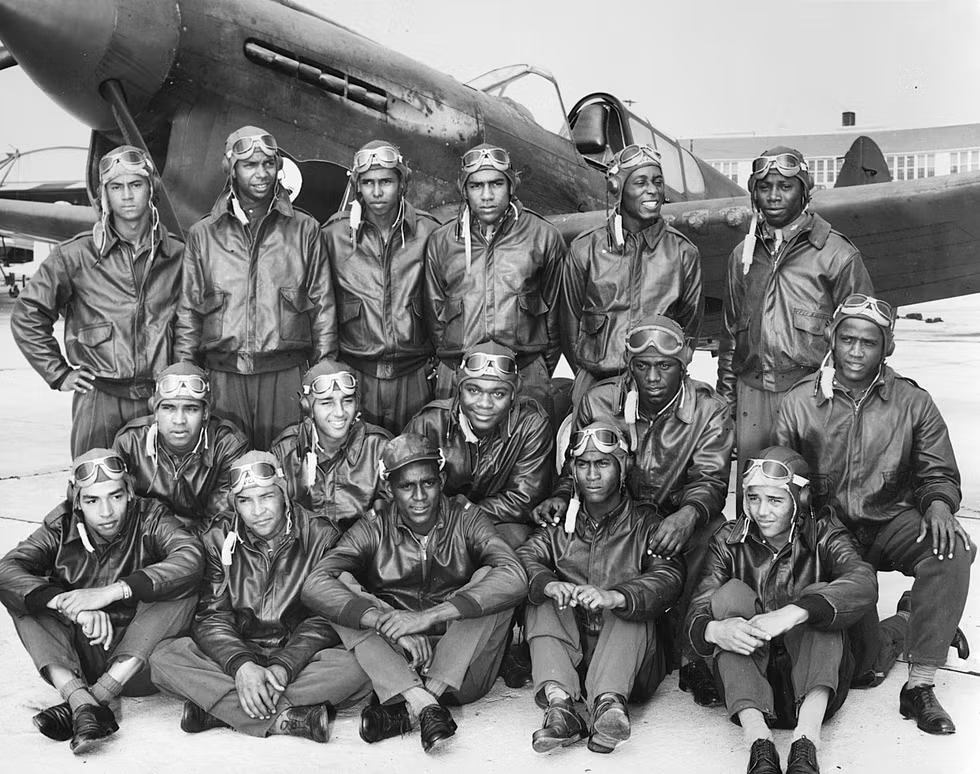
So this Veterans Day, let’s make room for their stories. Let’s talk about the women of the Six Triple Eight, the Montford Point Marines, the Tuskegee Airmen, and the countless others whose names may not appear in our everyday conversations about American history.
Let’s remember that behind every uniform was a person, a family, a story, and a willingness to serve.
To every veteran who answered the call, thank you.
And to the Black veterans whose courage helped change the course of American history, your contributions deserve to be remembered, recognized, and celebrated.
Happy Veterans Day.
For more information: American War Veterans
Reference reading:
- AARP: Portraits of Valor, Some of the Last Living Black WWII Veterans
- AARP: African American Veterans, A History of Heroism
- Smithsonian National Museum of African American History and Culture: Spotlight on African American Military Heroes
Title image: Aaron Burden.

Leave a Reply