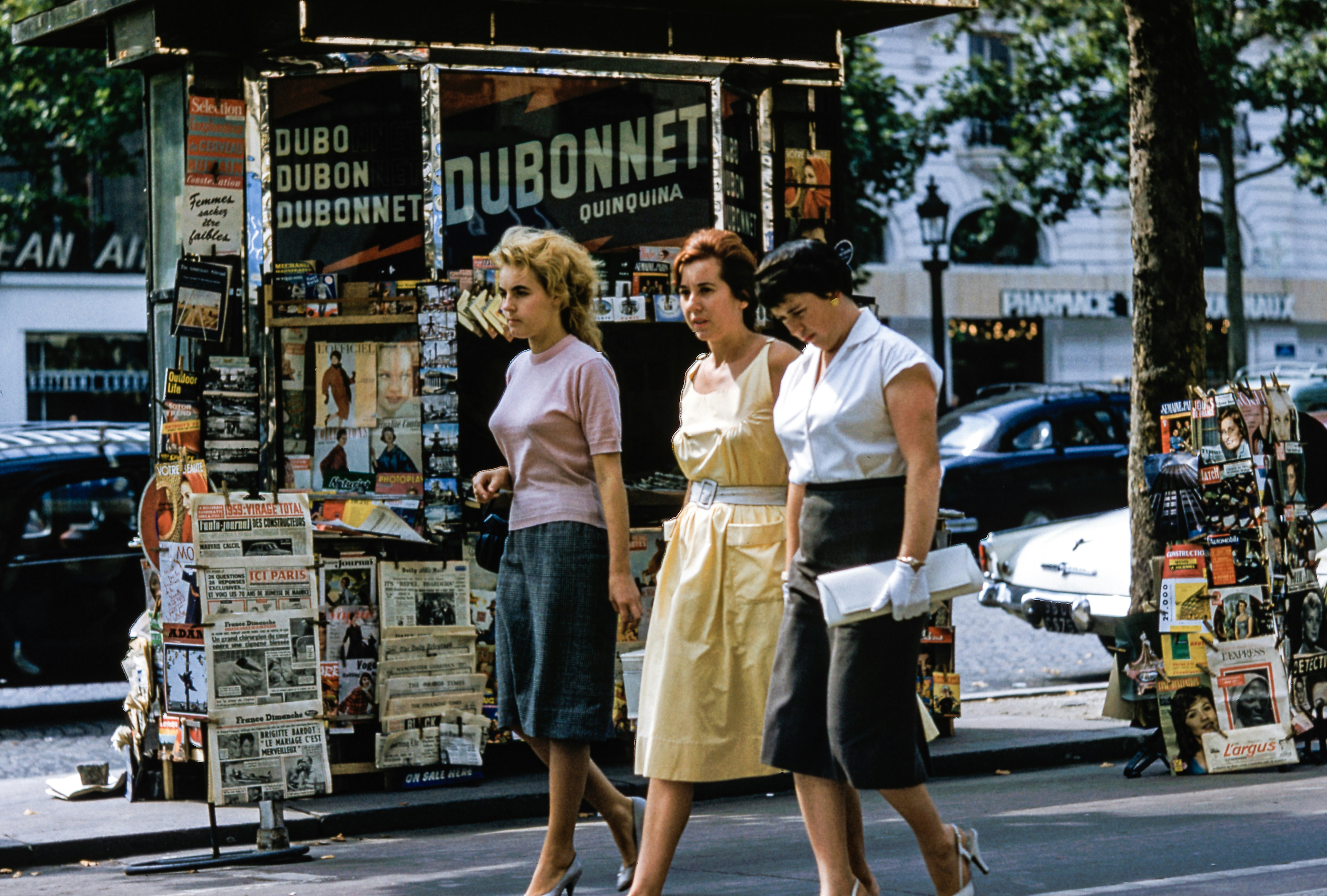

I saw a friend’s Instagram story today, and it got me thinking: why do so many men still refer to women as “girls”? Let’s be clear, I’m talking about grown women here. Not teenagers, not college students, not anyone remotely young full-grown, adult women. Yet somehow, in certain circles, men still insist on calling us “girls.”
Here’s the thing: the only reason to call a grown woman a child is to try to keep her in a place that suits them. To diminish her authority, her voice, her presence. It’s a subtle form of control, a linguistic tool that says, you’re not fully equal here. You’re smaller. You’re weaker. You’re a girl.
Ladies, let me tell you this: you are women. Grown-ass women. Do not allow anyone, especially harmful or hateful men, to frame you as anything less. Not “girls.” Not “sweeties.” Not “little lady.” You exist in your own right, and language matters.
This misogyny doesn’t exist in a vacuum. It stems from centuries of systemic inequality, patriarchal structures, and social conditioning that suggest men are entitled to define women’s place. Today, under certain political climates and administrations, we see it expressed in policy, rhetoric, and culture undermining women in workplaces, in social media, and even in casual conversation.
So how do we fight back? First, know your worth. Name yourself in ways that reflect your power, your intelligence, and your autonomy. Correct people when they infantilize you, politely or firmly. And when society’s structures try to belittle or control you, meet it with elegance and strength. Stand your ground, own your voice, and refuse to shrink.
Calling women “girls” is more than a careless habit—it’s a reflection of how society still struggles to respect female authority. But every time we reclaim our identity, assert our adulthood, and demand to be seen as the women we are, we chip away at that old, oppressive framework.
You are women. Grown-ass women. Own it.
(Photo by Les Anderson.)

Leave a Reply